
Celebrity Edge Class: A Guide to Life on Celebrity’s Most Innovative Ships
Discover what to expect on a Celebrity Edge Series cruise, from innovative design and Infinite Veranda staterooms to stylish dining, entertainment and relaxation.

Discover what it is like to watch a total solar eclipse at sea, including the 2026 Iceland eclipse and cruise routes to consider for 2027.
There are few travel experiences quite as memorable as watching the daytime sky turn dark while you are at sea. A solar eclipse cruise combines the excitement of exploring new destinations with the rare chance to witness one of nature’s most dramatic spectacles from an open deck.
For UK cruise guests, the next major opportunity is the total solar eclipse on 12 August 2026. Its path of totality will cross parts of Greenland, Iceland and northern Spain, making northern waters and selected European itineraries especially appealing. Another major total eclipse follows on 2 August 2027, with the path crossing southern Spain and parts of the Mediterranean region.
A cruise ship can be an excellent viewing platform. The open sea offers a wide horizon, while the captain can often adjust the ship’s position to seek the clearest conditions and the best alignment with the eclipse path. There are no buildings, hills or traffic to obstruct the view, and plenty of outdoor deck space for passengers to gather.
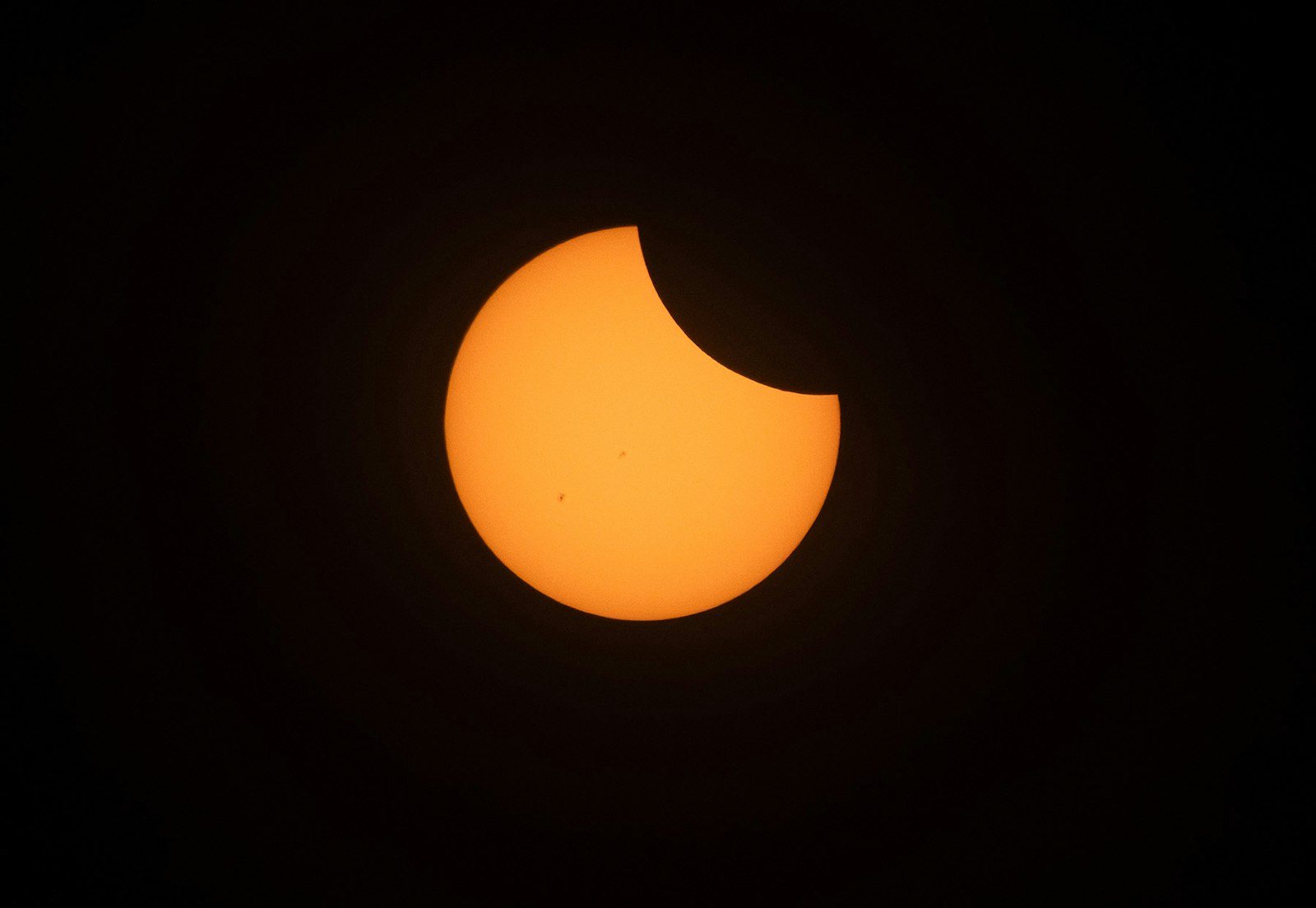
The atmosphere on board can be just as memorable as the eclipse itself. Ships may arrange expert talks, observation events and special activities, while guests gather with their cameras and protective viewing glasses. As totality approaches, daylight gradually fades, temperatures can drop and the horizon may glow with an unusual twilight. During totality, the Moon completely covers the bright surface of the Sun, revealing the Sun’s delicate corona.
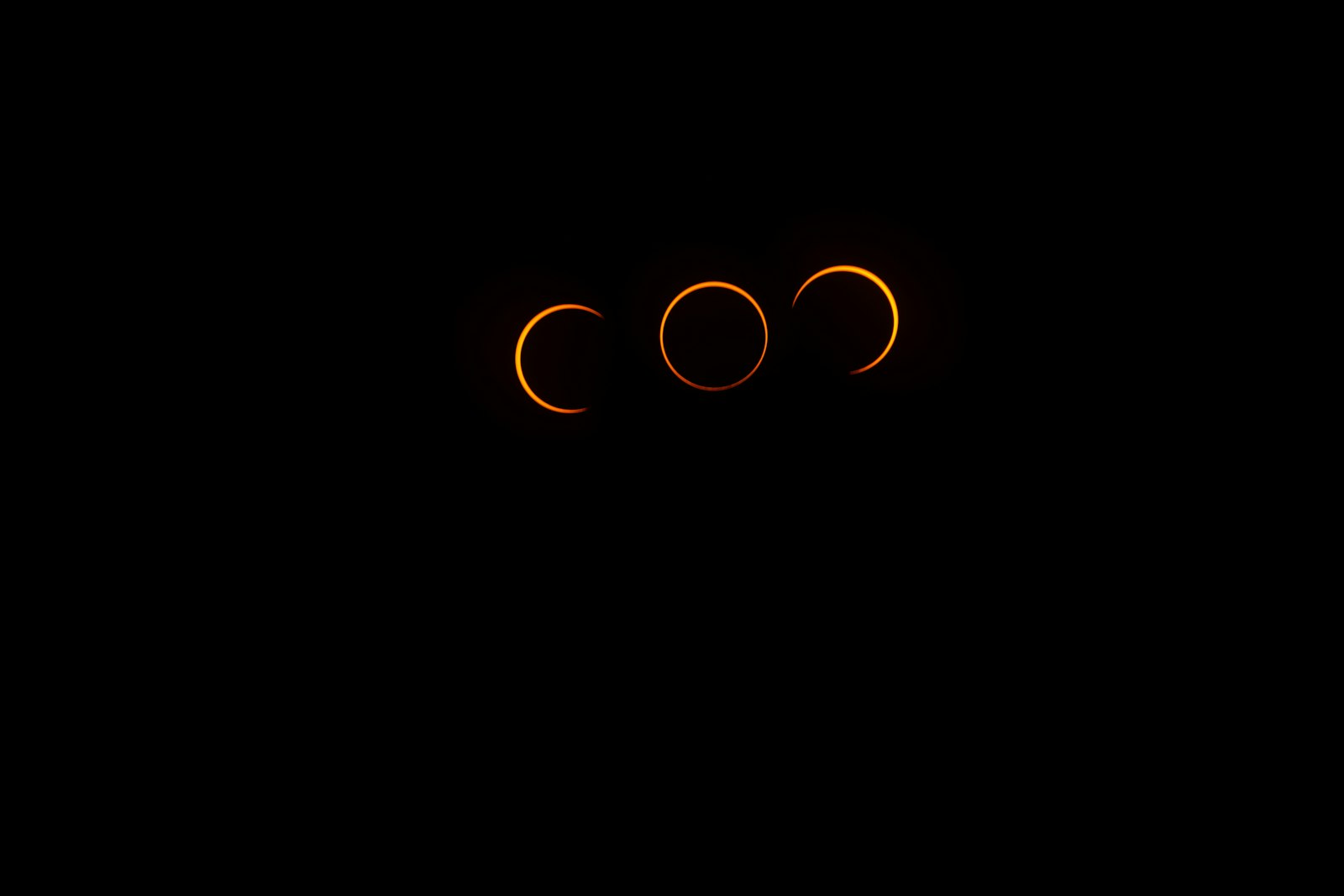
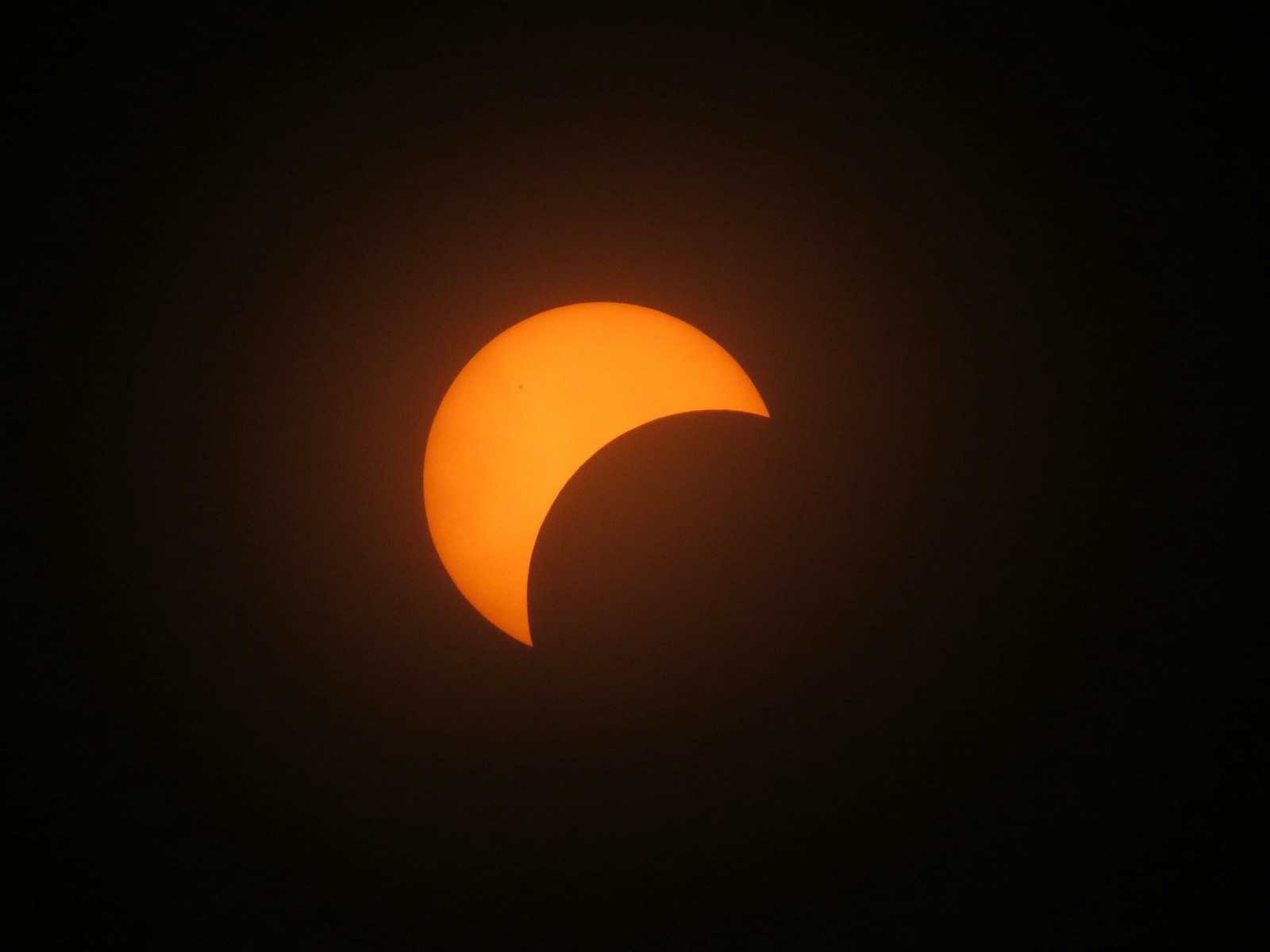
It is important to remember that only a total eclipse viewed within the path of totality produces this dramatic experience. Outside that narrow path, passengers may see a partial eclipse instead. A partial eclipse can still be fascinating, but it does not create the same sudden darkness.
The total solar eclipse on 12 August 2026 is one of the most interesting eclipse opportunities for a cruise from the UK. Totality will pass over parts of Iceland, while the surrounding region will experience a partial eclipse. A ship positioned in or close to the path can offer passengers an unobstructed view over the water.
One publicly promoted example to investigate is Fred. Olsen Cruise Lines’ 2026 eclipse voyage aboard Borealis, which has been designed around viewing the eclipse from northern waters and exploring Icelandic destinations. Exact departure details, routing and availability should be checked directly before booking, as eclipse positioning and itineraries can be revised.
Other suitable options may include Iceland and Greenland voyages departing from the UK or northern Europe and sailing around the eclipse date. When comparing itineraries, check the ship’s planned position on 12 August rather than simply looking for an Iceland port call. A vessel visiting Reykjavik or Akureyri on a different date will not necessarily be in the path of totality.
The next total solar eclipse on 2 August 2027 is particularly attractive for British holidaymakers who enjoy Mediterranean cruising. The path of totality crosses parts of southern Spain, the Strait of Gibraltar and North Africa, with nearby regions experiencing a partial eclipse.
This creates several cruise styles worth considering. A western Mediterranean itinerary calling at destinations such as Barcelona, Malaga, Cadiz or Gibraltar may be able to position the ship close to the eclipse path. Some itineraries may also visit Tangier or other North African ports. A dedicated eclipse voyage is likely to offer the most carefully planned viewing position, while a conventional Mediterranean sailing may provide a partial eclipse or totality only if its route has been specifically timed for the event.
When searching for a 2027 sailing, look at cruises departing in late July or early August and check the route on the date of the eclipse. It is also worth asking whether the cruise line plans to provide certified viewing glasses, guest speakers or a dedicated observation programme.
The experience usually begins well before totality. As the Moon gradually moves across the Sun, the light becomes noticeably cooler and shadows can appear unusually sharp. On deck, passengers may notice the changing colours of the sea and sky, while the ship’s crew may make announcements as the key stages approach.
Totality itself is brief, often lasting only a few minutes or less depending on the ship’s exact position. The sudden darkness can be astonishing, particularly when surrounded by open ocean. Bright planets and stars may become visible, the horizon can show a ring of sunset-like light and the ship’s decks may fall unusually quiet as guests take in the view.
Once totality ends, the Sun quickly reappears and normal daylight returns. Many passengers find that the event feels both spectacular and surprisingly peaceful. The shared experience of watching it with fellow travellers can also become one of the defining memories of the voyage.
Choose the right date: The ship must be in the eclipse path at the correct time, not merely in the same country or region.
Consider the weather: Iceland and the North Atlantic can be cloudy, even in summer. The Mediterranean generally offers better odds of clear skies, although no destination can guarantee visibility.
Check the ship’s viewing arrangements: Ask whether there will be open-deck access, expert commentary and certified eclipse glasses.
Allow for route changes: The captain may alter the sailing plan to improve the viewing opportunity or respond to weather and sea conditions.
Pack for more than sunshine: Warm layers and waterproof clothing are sensible for northern eclipse cruises, even in August.
Plan your photography carefully: Special solar filters are required for cameras and binoculars. Never look directly at the Sun without suitable protection.
Looking directly at the Sun during the partial phases can cause permanent eye damage. Use certified eclipse glasses or an approved solar viewer, and follow the cruise line’s instructions. Ordinary sunglasses, cameras without solar filters and binoculars without specialist protection are not safe substitutes.
During totality, direct viewing is safe only while the Sun is completely covered. As soon as any bright sunlight returns, protective glasses must go back on. Parents should supervise children closely, and guests using cameras should check that their equipment has been fitted with the correct solar filter before the eclipse begins.
It is also wise to reserve a cabin and excursions early if travelling for a major eclipse. Demand can be higher than for a standard itinerary, particularly when the sailing is specifically marketed around totality. Always confirm the latest route, timings and onboard arrangements with the cruise line or your cruise agent.
The best eclipse cruises offer much more than a few minutes of darkness. An Iceland itinerary can combine the eclipse with waterfalls, volcanic landscapes, geothermal experiences and colourful fishing towns. A Mediterranean voyage in 2027 could add historic cities, Spanish cuisine, North African culture and relaxing days at sea.
That combination makes an eclipse cruise appealing whether you are an enthusiastic astronomer or simply looking for an extraordinary holiday. With the right route, a little preparation and a clear understanding of the viewing conditions, sailing beneath a solar eclipse can turn an already memorable cruise into a once-in-a-lifetime adventure.
For the strongest chance of seeing totality, focus on dedicated eclipse itineraries or cruises that clearly publish their planned position during the event. The 2026 Iceland eclipse and 2027 Mediterranean eclipse offer two very different ways to experience the same remarkable natural phenomenon from the sea.
Available in the UK and US. Ts & Cs apply.

Discover what to expect on a Norwegian fjords cruise, from spectacular scenery and scenic sailing to port visits, excursions, weather and practical tips.
Discover what to expect on a Celebrity Edge Series cruise, from innovative design and Infinite Veranda staterooms to stylish dining, entertainment and relaxation.

Explore what makes sailing with Fred. Olsen Cruise Lines a memorable experience, from intimate ships to bespoke itineraries designed for mature travellers.

Explore the cruise news and trends shaping 2026, including greener ships, digital innovations, new destinations, onboard experiences and the events cruise fans should follow.

Learn how cruise Wi-Fi works, compare internet packages, avoid unexpected roaming charges and use your cruise ship app confidently at sea and in port.

Add us on Whatsapp for more
Click hereRegister for emails
Plus get access to weekly emails, special rates and discounts.


My Kind Ltd T/A My Kind of Cruise
My Kind of Cruise sells travel services on behalf of Hays Travel Limited and benefits from Hays Travel's membership of ABTA with membership number P8700. My Kind of Cruise is a trading name of MY KIND LTD who are registered in England and Wales with company number 12679699 and VAT number 847 6411 09. Registered office: Devonshire House, 582 Honeypot Lane, Stanmore, United Kingdom, HA7 1JS
Book with Confidence
ABTA and ABTA Members help holidaymakers to get the most from their travel and assist them when things do not go according to plan. We are obliged to maintain a high standard of service to you by ABTA's Code of Conduct.
For further information about ABTA, the Code of Conduct and the arbitration scheme available to you if you have a complaint, contact ABTA, 30 Park Street, London SE1 9EQ. Tel: 020 3117 0599 or www.abta.com.
Our Partners



Deals
Cruise Lines
Blogs
FAQs
